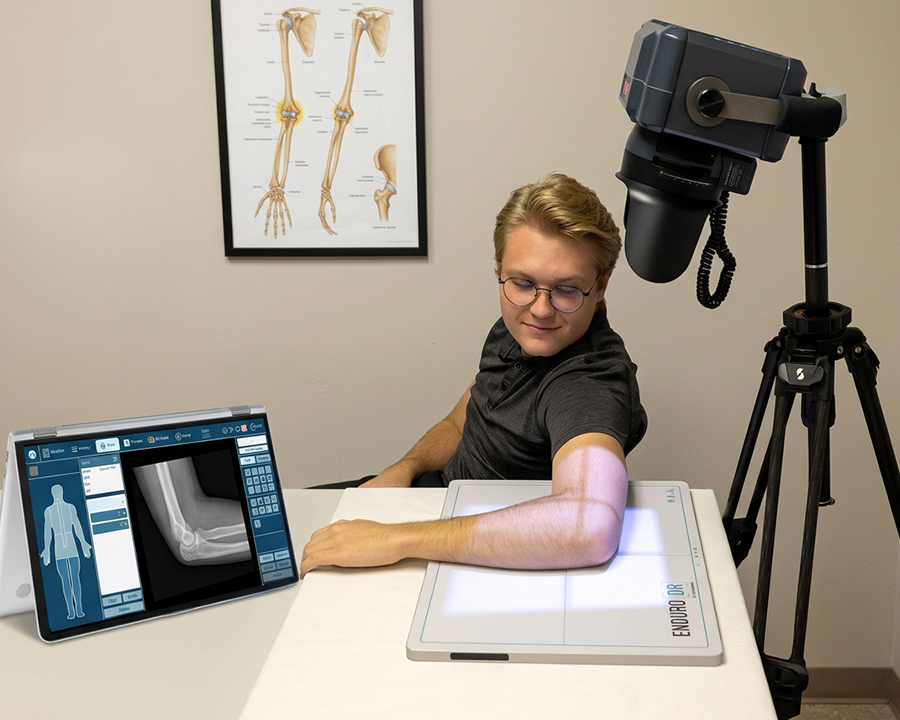
Portable vs. Stationary X-Ray for Orthopedic Clinics
Orthopedic clinics face constant pressure to deliver fast, accurate imaging while managing limited space, controlling costs, and improving patient experience.



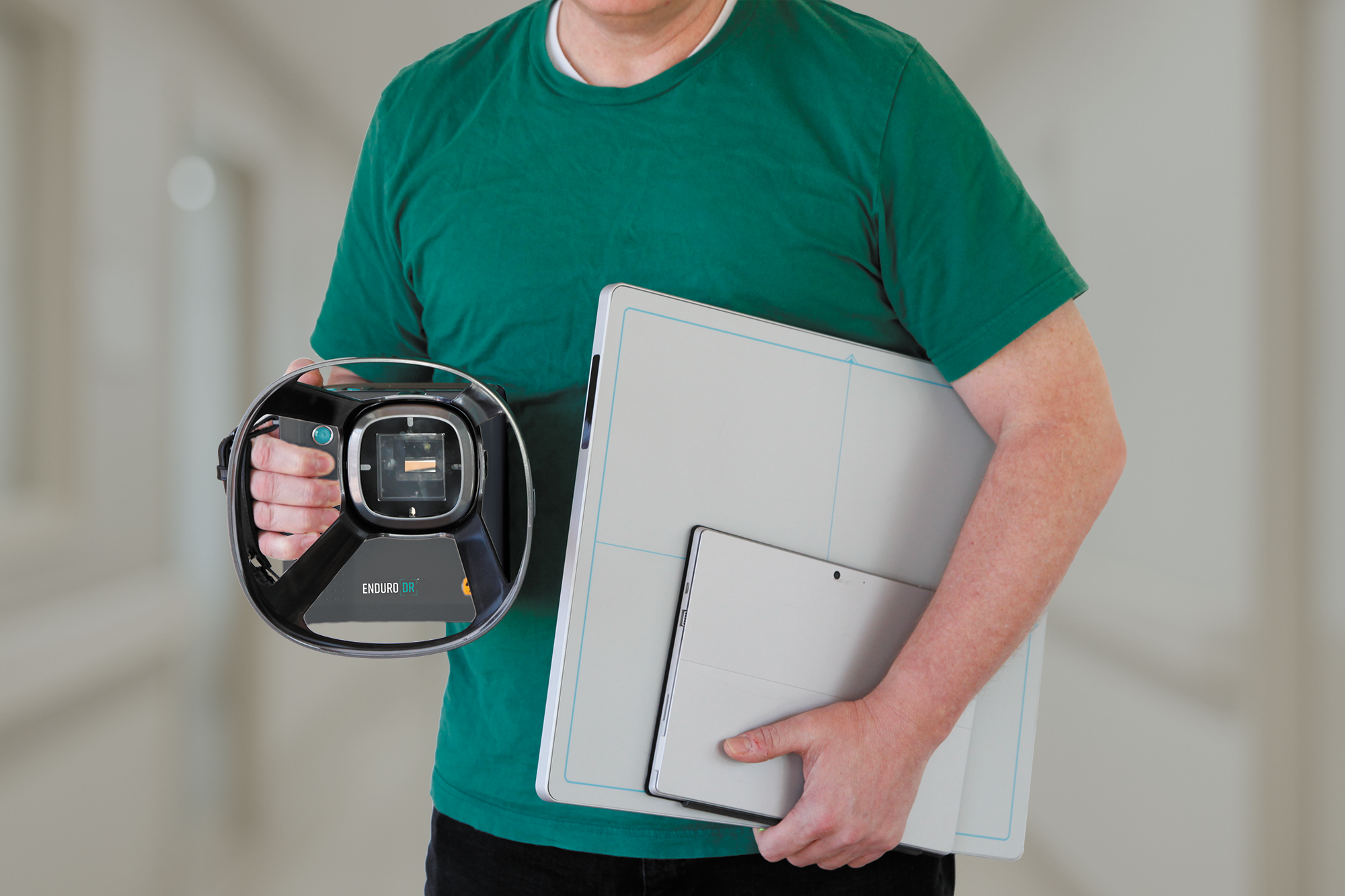
Modern healthcare is under increasing pressure to deliver faster diagnostics, improved patient experiences, and cost-efficient imaging workflows. Traditional fixed X-ray suites require significant investment — from construction and shielding to equipment, staffing, and facility space. Today, portable digital X-ray systems are redefining the economics of radiography by making high-quality imaging available anywhere care is delivered.
In this article, we explore how mobile X-ray technology not only enhances clinical flexibility but can also reduce overall operational costs, improve throughput, and expand revenue opportunities for both human and veterinary healthcare providers.
A standard brick-and-mortar radiography room requires:
These traditional costs can range from tens of thousands to hundreds of thousands of dollars, depending on regional regulations, shielding requirements, and building design.
Beyond installation, long-term room utilization and staffing efficiency significantly impact the overall ROI.
Portable systems like ENDURO DR are designed to bring imaging to the patient, not the other way around. This has major financial benefits, especially in environments where space, workflow, or mobility matter.
| COST CATEGORY | FIXED X-RAY ROOM | PORTABLE X-RAY |
|---|---|---|
| Mobility | None | Full Mobility |
| Patient Transport Cost | High | Eliminated |
| Revenue Opportunities | Limited to facility | On-site, remote, mobile |
| System Deployment Time | Weeks/ Months | Hours/Days |
Portable X-ray systems enable faster decision-making, reduced bottlenecks, and higher patient throughput, which directly affects profitability.
Examples of Workflow Advantages:
✔ Bedside imaging reduces turnaround time
✔ Staff can capture images without relocating patients
✔ Deployment in multiple rooms without duplication of equipment
✔ Ideal for temporary, satellite, or mobile facilities
The result is faster diagnoses, shorter patient stays, and more efficient utilization of clinical staff and resources.
Portable radiography enables providers to create or expand services that are not possible with stationary systems.
Common New Revenue Opportunities:
By bringing imaging directly to the point of care, providers can generate billable services on-site, instead of referring patients elsewhere — keeping revenue in-house.
Portable digital X-ray technology provides a lower-risk investment opportunity with flexibility to scale as clinical needs evolve.
ROI Benefits Summary
This combination makes portable digital radiography one of the highest-value imaging investments for clinics looking to grow without major facility expansion.
As healthcare evolves, efficiency, flexibility, and accessible diagnostics are critical to staying competitive. Portable digital X-ray systems are transforming clinical economics by reducing infrastructure costs, improving workflow efficiency, and enabling new revenue channels.
Orthopedic clinics face constant pressure to deliver fast, accurate imaging while managing limited space, controlling costs, and improving patient experience.

Picture: Vertec MD Kate O’Reilly signs the agreement with Turner Imaging Systems vice president of sales and marketing Rob Scorcia.
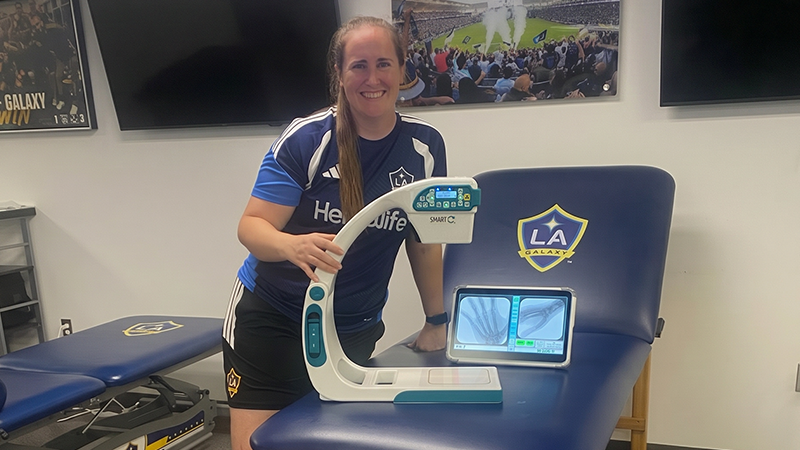
Orem, UT — April 27, 2026 — Turner Imaging Systems today announced the adoption of its SMART-C® by the LA
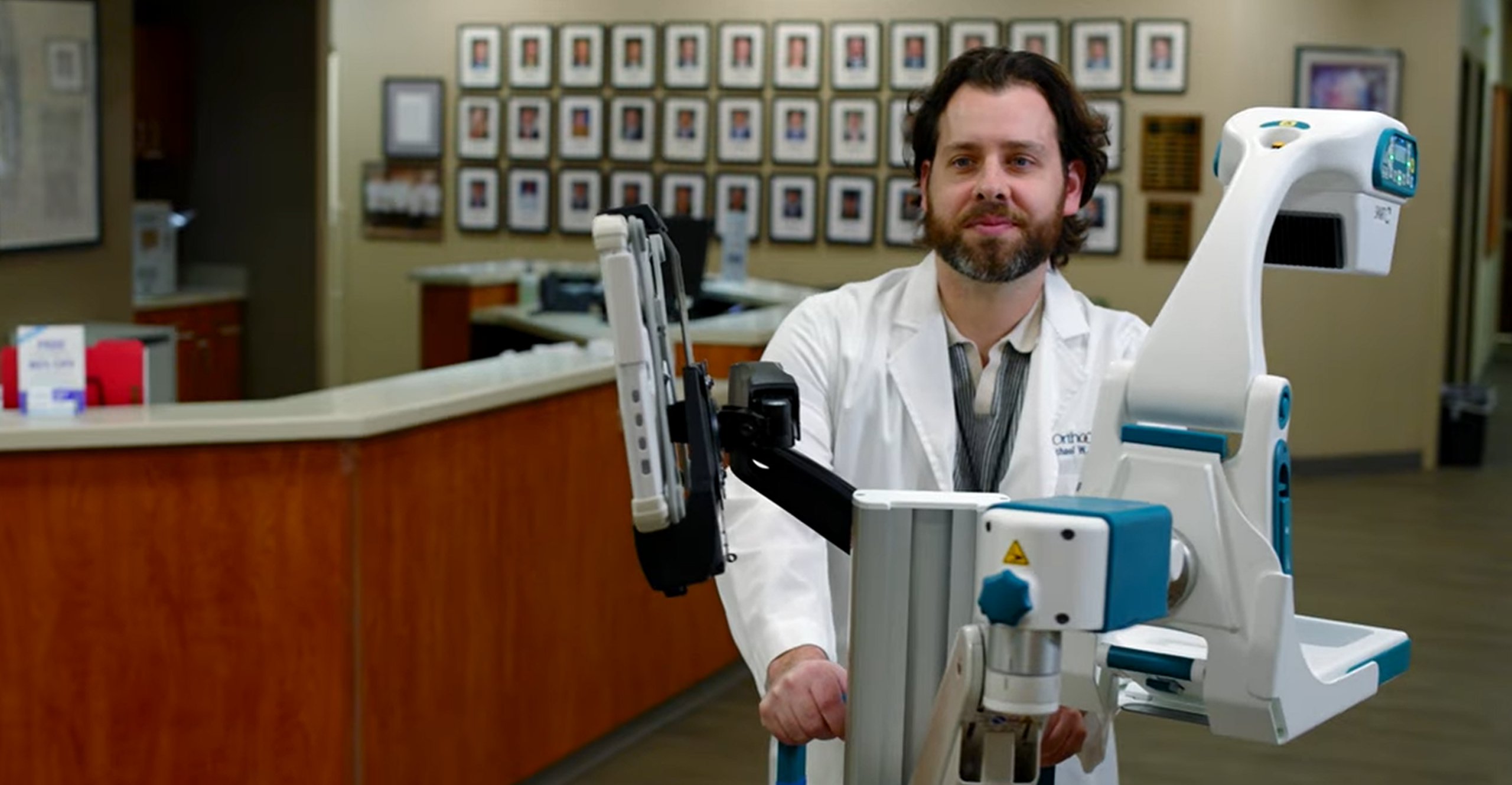
In today’s clinical environment, speed, efficiency, and patient experience matter more than ever. For many practices — especially in
Learn how SMART-C supported real-time surgical guidance during a complex veterinary trauma case.
Learn how SMART-C supports minimally invasive procedures and efficient point-of-care foot & ankle workflows.
Learn how SMART-C enabled orthopedic imaging when the hospital’s X-ray system was unavailable.
Learn how SMART-C supports rapid injury assessment and onsite clinical decision-making during SuperMotocross events.
Learn how OrthoCarolina uses SMART-C for point-of-care imaging to improve clinic efficiency and patient experience.